
Heat Cramps: Why They Happen & How to Stop Them Fast
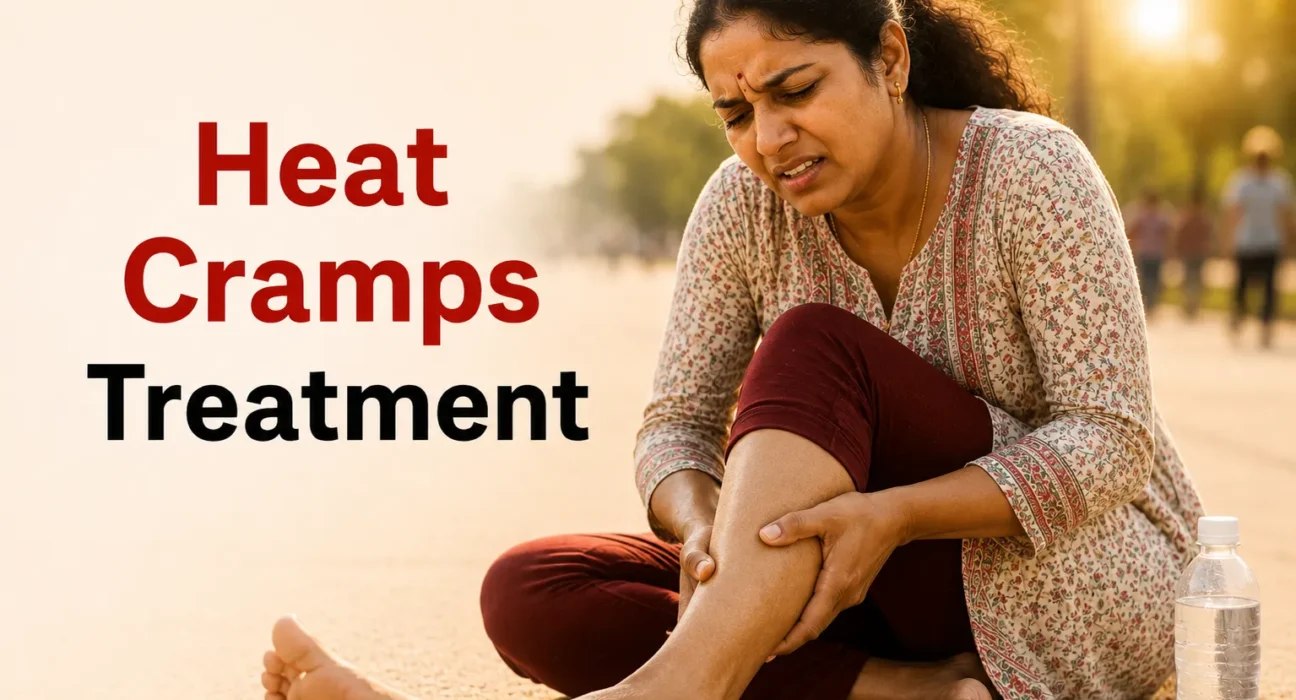
Table of Contents
According to the Centers for Disease Control and Prevention, thousands of people suffer from heat-related illnesses every year, especially during extreme summer temperatures. One of the earliest and most overlooked warning signs? Heat cramps.
If you’ve ever experienced sudden, painful muscle cramps in heat—during a workout, long walk, or even while resting—you know how uncomfortable and alarming they can be. These heat-related muscle cramps often strike without warning, leaving you confused about what caused them and how to stop them quickly.
In this guide, you’ll learn what are heat cramps, heat cramps symptoms, causes, treatment, and prevention strategies—all explained in a simple, practical way. By the end, you’ll know exactly how to manage and avoid heat cramps in summer and stay safe in hot conditions.
What Are Heat Cramps?
Heat cramps are a type of heat-related illness that causes sudden, involuntary muscle spasms—usually in the legs, arms, or abdomen—when your body loses too much fluid and salt.
Key characteristics:
- Occur during or after exposure to heat
- Common during workouts or heavy physical activity
- Linked to dehydration and electrolyte imbalance
- Early warning sign of more serious heat illness
Summary:
Heat cramps are your body’s way of signaling that it is struggling to cope with heat stress. They are not dangerous on their own but can lead to serious conditions like heat exhaustion if ignored.
Heat Cramps Symptoms You Should Never Ignore
Recognizing heat cramps symptoms early can help prevent complications.
Common symptoms:
- Sudden muscle spasms (legs, arms, abdomen)
- Painful tightening of muscles
- Heavy sweating
- Fatigue or weakness
- Thirst and dehydration
Less common symptoms:
- Nausea
- Dizziness
- Muscle twitching
Doctor’s Note:
“Heat cramps are often the first stage of heat-related illness. If symptoms are ignored, it can progress to heat exhaustion or even heat stroke.”
Summary:
Heat cramps symptoms typically involve painful muscle contractions and excessive sweating. Early recognition is key to preventing serious heat-related complications.
Heat Cramps Causes: Why Do They Happen?
Understanding heat cramps causes helps you prevent them effectively.
Main causes:
- Dehydration – Loss of body fluids
- Electrolyte imbalance – Low sodium, potassium
- Excessive sweating
- Prolonged heat exposure
- Overexertion during exercise
How it works:
- Sweating removes salt from your body
- Low sodium disrupts muscle function
- Muscles start contracting uncontrollably
According to the Mayo Clinic, electrolyte loss—especially sodium—is a major trigger for muscle cramps in hot environments.
Summary:
Heat cramps happen when your body loses fluids and essential salts, disrupting normal muscle function and causing painful spasms.
Heat Cramps During Workout: Who Is at Risk?
Some people are more prone to heat cramps during workout or outdoor activities.
High-risk groups:
- Athletes and gym-goers
- Outdoor workers (construction, delivery)
- Elderly individuals
- Children playing in heat
- People not used to hot weather
Risk factors:
- Poor hydration habits
- Sudden intense exercise
- Wearing heavy clothing
- Humid weather
Expert Tip:
Gradually increase your activity level in summer. Sudden intense workouts in heat significantly increase the risk of heat cramps.
Summary:
Anyone exposed to heat and physical strain can develop heat cramps, but athletes, outdoor workers, and dehydrated individuals are at highest risk.
Heat Cramps Treatment: What to Do Immediately
If you experience heat cramps, quick action is essential.
Immediate treatment steps:
- Stop activity and rest
- Move to a cool or shaded place
- Drink water or electrolyte solution (ORS)
- Gently stretch and massage muscles
- Apply cool compress
What to drink:
- Oral Rehydration Solution (ORS)
- Coconut water
- Sports drinks (low sugar preferred)
According to the National Health Service, rehydration and rest are the most effective first-line treatments for heat cramps.
When to seek help:
- Cramps last more than 1 hour
- You have heart problems
- Severe weakness or confusion
Summary:
Heat cramps treatment focuses on hydration, rest, and restoring electrolytes. Quick action can prevent progression to more serious heat-related illnesses.
Heat Cramps vs Heat Exhaustion vs Heat Stroke
Understanding the difference can save lives.
| Condition | Symptoms | Severity |
| Heat cramps | Muscle spasms, sweating | Mild |
| Heat exhaustion | Fatigue, dizziness, nausea | Moderate |
| Heat stroke | Confusion, high body temp, unconsciousness | Severe (emergency) |
The World Health Organization emphasizes that early signs like heat cramps should never be ignored, as they can escalate quickly.
Summary:
Heat cramps are the mildest form of heat illness but can progress to life-threatening heat stroke if not treated promptly.
Heat Cramps Prevention: Stay Safe in Summer
Preventing heat cramps in summer is easier than treating them.
Simple prevention tips:
- Drink water regularly (even if not thirsty)
- Use electrolyte drinks in extreme heat
- Avoid peak sun hours (12–4 PM)
- Wear light, breathable clothing
- Take frequent breaks during activity
Hydration tips:
- 2–3 liters daily (minimum)
- More if sweating heavily
- Add salt or ORS if needed
Doctor’s Note:
“Prevention is key. Maintaining hydration and electrolyte balance can reduce the risk of heat cramps by up to 70%.”
Summary:
Heat cramps prevention revolves around hydration, smart activity planning, and avoiding excessive heat exposure.
Heat Cramps Dehydration: Why Hydration Matters
Dehydration is the most common cause of muscle cramps in heat.
What happens in your body:
- Fluid loss reduces blood circulation
- Electrolyte imbalance disrupts muscle signals
- Muscles contract painfully
Signs of dehydration:
- Dark urine
- Dry mouth
- Fatigue
- Headache
Conclusion
Heat cramps may seem minor, but they are your body’s early warning system. The three most important takeaways are:
- Stay hydrated to prevent electrolyte imbalance
- Recognize heat cramps symptoms early
- Act quickly with proper treatment
By understanding what are heat cramps, their causes, and treatment, you can protect yourself and your loved ones during hot weather or intense physical activity.
FAQs
What causes heat cramps?
Heat cramps are caused by dehydration and loss of electrolytes like sodium due to excessive sweating. This disrupts muscle function and leads to painful spasms.
How do I stop heat cramps quickly?
Stop activity, move to a cool place, drink electrolyte fluids, and gently stretch the affected muscle. Relief usually occurs within minutes.
Are heat cramps dangerous?
They are not dangerous on their own but can be an early warning sign of heat exhaustion or heat stroke if ignored.
How long do heat cramps last?
Most heat cramps last a few minutes to an hour. If they persist longer, medical attention may be required.
Can dehydration cause muscle cramps?
Yes, dehydration is one of the main causes of heat cramps as it disrupts fluid and electrolyte balance in the body.
When should I see a doctor?
Seek medical help if cramps last more than an hour, are severe, or are accompanied by confusion, vomiting, or fainting.