




Top 15 High Protein Foods for Muscle Gain & Fat Loss
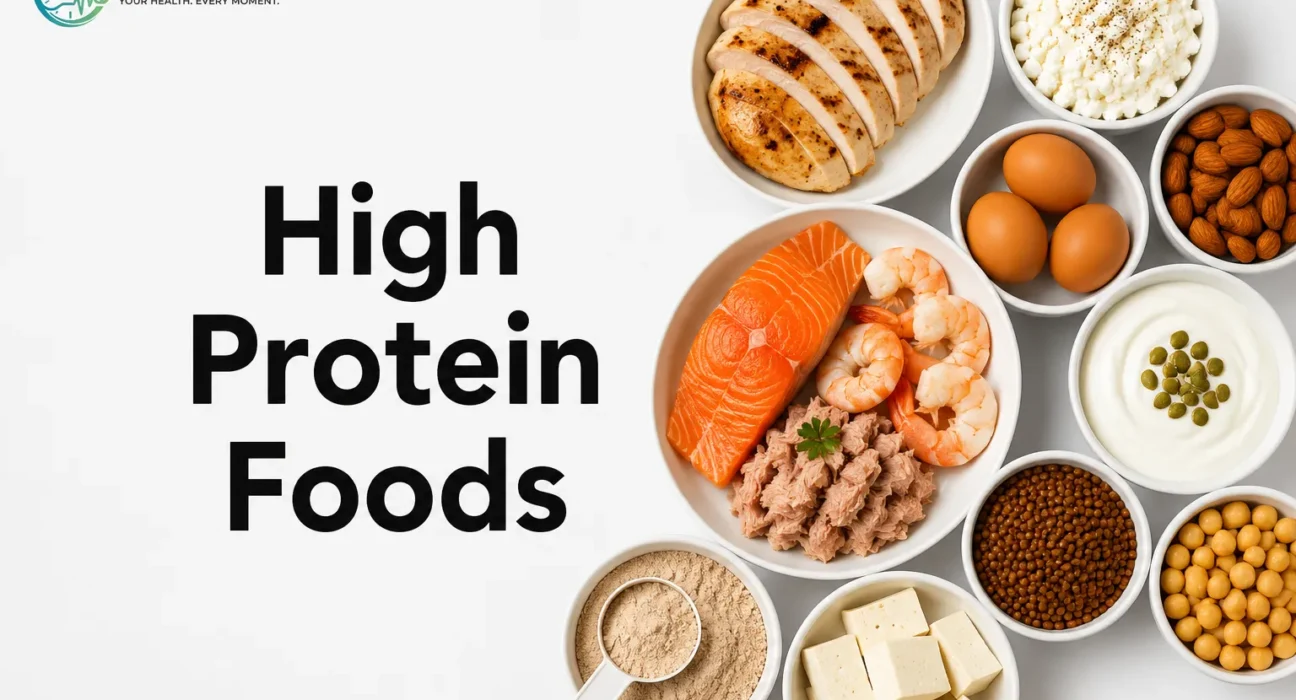
If you’re trying to build muscle, lose fat, or simply stay healthy, one nutrient deserves your full attention—protein. Yet, many people in India still fall short of their daily protein needs, often relying heavily on carbs while underestimating the importance of balanced nutrition.
The good news? You don’t need fancy supplements or expensive imports to meet your protein goals. With the right mix of Indian foods (veg & non-veg), you can easily build a high-protein diet that supports both muscle gain and fat loss.
In this complete guide, you’ll discover:
- The top 15 high protein foods
- How much protein you actually need
- Smart ways to include protein in your daily meals
- A sample Indian high-protein diet plan
Why Protein Is Essential for Muscle Gain & Fat Loss
Protein is made up of amino acids—the building blocks of your body. It plays a key role in:
- Muscle growth & repair
- Fat loss (by increasing satiety and metabolism)
- Hormonal balance
- Maintaining healthy skin, hair, and immunity
According to the World Health Organization, protein requirements vary based on activity level. While sedentary individuals need around 0.8g per kg body weight, active individuals and those aiming for muscle gain may require 1.2–2g per kg.
How Much Protein Do You Need?
Here’s a simple breakdown:
- Sedentary lifestyle: 0.8g/kg
- Moderate activity: 1.0–1.2g/kg
- Muscle gain: 1.5–2g/kg
- Fat loss: 1.2–1.8g/kg
Example:
If you weigh 70 kg and want to build muscle:
70 × 1.5 = 105g protein per day
Top 15 High Protein Foods
Let’s break this down into vegetarian and non-vegetarian sources so you can choose based on your lifestyle.
Vegetarian High Protein Foods
1. Paneer (Cottage Cheese)
- Protein: ~18g per 100g
- Rich in casein protein (slow-digesting)
Best for muscle repair and overnight recovery.
2. Soy Chunks (Soya Nuggets)
- Protein: ~52g per 100g (dry)
- One of the cheapest protein sources in India
Perfect for budget-friendly muscle gain diets.
3. Lentils (Dal)
- Protein: ~9g per cooked cup
Combine with rice to form a complete protein.
4. Chickpeas (Chana)
- Protein: ~19g per 100g
Great for salads, curries, and snacks.
5. Kidney Beans (Rajma)
- Protein: ~24g per 100g
Ideal for lunch meals with rice.
6. Peanuts
- Protein: ~26g per 100g
Affordable and perfect as a high-protein snack.
7. Milk & Curd (Dahi)
- Protein: ~3–4g per 100ml
Easy daily addition for consistent protein intake.
8. Quinoa
- Protein: ~8g per cup
A rare plant-based complete protein.
Non-Vegetarian High Protein Foods
9. Eggs
- Protein: ~6g per egg
One of the most complete and bioavailable protein sources.
10. Chicken Breast
- Protein: ~31g per 100g
Lean, low-fat, and ideal for fat loss.
11. Fish (Salmon, Rohu, Tuna)
- Protein: ~20–25g per 100g
Also rich in omega-3 fatty acids.
12. Mutton
- Protein: ~25g per 100g
Nutrient-dense but higher in fat—consume in moderation.
13. Greek Yogurt
- Protein: ~10g per 100g
Higher protein than regular curd.
14. Whey Protein (Supplement)
- Protein: ~20–25g per scoop
Fast-digesting and convenient post-workout option.
15. Tofu
- Protein: ~8g per 100g
Excellent vegan alternative to paneer.
Best High Protein Foods for Fat Loss
If your goal is fat loss, focus on foods that are:
- High in protein
- Low in calories
- Filling
Top picks:
- Eggs
- Chicken breast
- Greek yogurt
- Lentils
- Tofu
These foods help reduce hunger and prevent overeating.
Best High Protein Foods for Muscle Gain
For muscle building, you need:
- High protein
- Calorie surplus
- Strength training
Top choices:
- Chicken breast
- Eggs
- Paneer
- Soy chunks
- Whey protein
Complete vs Incomplete Protein
Not all proteins are equal.
- Complete proteins: Contain all essential amino acids
- Eggs, chicken, fish, dairy
- Incomplete proteins: Missing some amino acids
- Most plant foods
Solution: Combine foods
- Rice + dal
- Roti + paneer
- Hummus + bread
Sample High Protein Indian Diet Plan (Approx. 100g Protein)
Breakfast
- Moong dal chilla (2) + curd
- Protein: ~20g
Lunch
- Rice + rajma + salad
- Protein: ~25g
Snack
- Roasted peanuts + buttermilk
- Protein: ~15g
Dinner
- Paneer sabzi + 2 roti
- Protein: ~30g
Optional (Post-workout)
- Whey protein shake
- Protein: ~20g
Common Mistakes to Avoid
- Not eating enough protein at breakfast
- Relying only on carbs (rice, roti)
- Ignoring portion sizes
Overusing supplements instead of whole foods
Key Takeaways
- Protein is essential for both muscle gain and fat loss
- Indian diets can easily meet protein needs with the right choices
- Combine vegetarian foods for complete protein
- Focus on consistency rather than perfection
Final Thoughts
You don’t need extreme diets or expensive supplements to transform your body. By simply adding the right high protein foods to your daily meals, you can improve your strength, energy, and overall health.
FAQs
What are the best high protein foods for muscle gain?
Eggs, chicken breast, paneer, and soy chunks are among the best options for building muscle.
How can vegetarians get enough protein?
By combining foods like dal, paneer, soy chunks, and nuts, vegetarians can easily meet their protein needs.
Is 100g protein per day safe?
Yes, for most active individuals, 100g protein is safe and beneficial when spread across meals.
Which is the cheapest protein source in India?
Soy chunks and peanuts are the most affordable high-protein foods.
Can I lose fat on a high protein diet?
Yes, high protein diets help reduce hunger, increase metabolism, and support fat loss.