

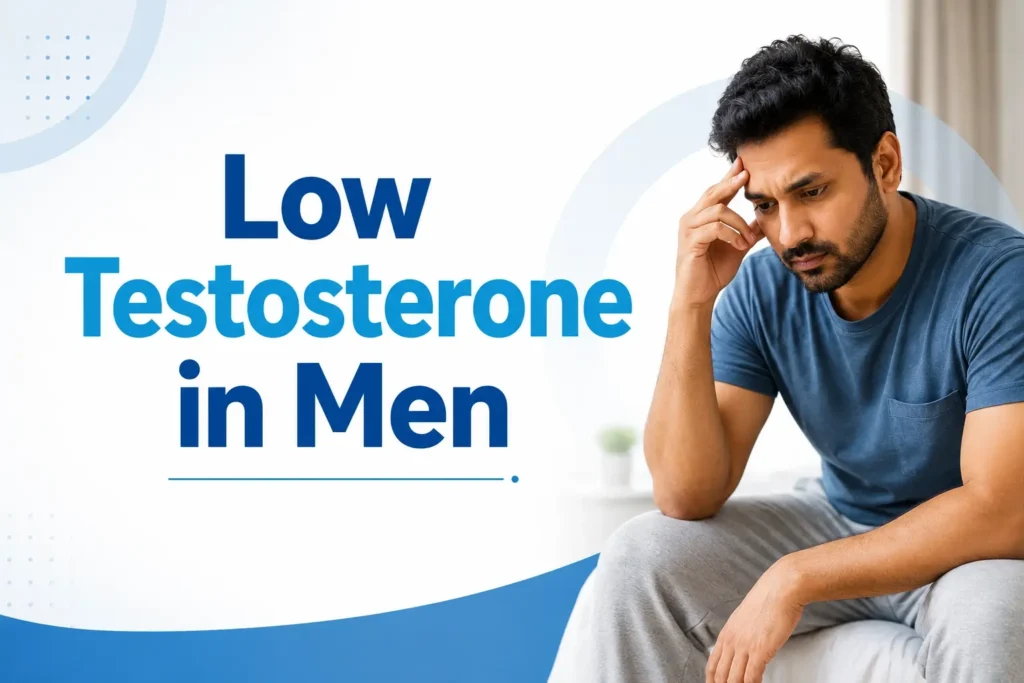
Signs and Symptoms of Low Testosterone in Men
Testosterone is one of the most important hormones in the male body. It plays a key role in muscle growth, bone strength, energy levels, mood, sexual health, and overall well-being. While testosterone naturally declines with age, some men experience a more significant drop that can lead to noticeable physical, emotional, and mental changes.
Low testosterone, also known as hypogonadism, affects millions of men worldwide. Unfortunately, many overlook the symptoms or assume they are simply a part of aging. Recognizing the early warning signs can help you seek timely medical advice and improve your quality of life.
In this article, we’ll explore the common signs and symptoms of low testosterone in men, possible causes, and available treatment options.
What Is Low Testosterone?
Testosterone is primarily produced in the testicles and is responsible for developing male characteristics during puberty. It continues to play a vital role throughout adulthood by supporting:
- Muscle mass and strength
- Bone density
- Sex drive
- Sperm production
- Mood regulation
- Energy levels
- Fat distribution
Normal testosterone levels vary by age, but when they fall below the healthy range and cause symptoms, medical evaluation may be necessary.
Common Signs and Symptoms of Low Testosterone
1. Reduced Sex Drive
One of the earliest and most common symptoms is a decrease in libido. Testosterone directly influences sexual desire, and lower hormone levels often result in reduced interest in intimacy.
While occasional changes in libido are normal due to stress or fatigue, persistent loss of sexual desire may indicate low testosterone.
2. Erectile Dysfunction
Although erectile dysfunction has many possible causes, low testosterone can contribute to:
- Difficulty achieving erections
- Trouble maintaining erections
- Reduced spontaneous morning erections
Testosterone doesn’t solely control erections, but it supports healthy sexual function alongside proper blood circulation and nerve health.
3. Constant Fatigue
Feeling tired after a busy day is normal, but ongoing fatigue despite getting enough sleep may be a warning sign.
Men with low testosterone often report:
- Lack of motivation
- Low stamina
- Feeling exhausted throughout the day
- Difficulty completing routine activities
This persistent fatigue can interfere with work performance and daily life.
4. Loss of Muscle Mass
Testosterone helps build and maintain lean muscle tissue. When hormone levels decline, muscle growth becomes more difficult even with regular exercise.
Signs include:
- Reduced muscle size
- Lower strength
- Difficulty recovering after workouts
- Decreased athletic performance
Many men notice that their workouts become less effective than they were previously.
5. Increased Body Fat
Low testosterone often leads to changes in body composition.
You may notice:
- Increased abdominal fat
- Difficulty losing weight
- Reduced muscle definition
Some men also develop enlarged breast tissue, a condition known as gynecomastia, due to hormonal imbalance.
6. Mood Changes
Testosterone influences brain function and emotional well-being.
Low levels may contribute to:
- Depression
- Irritability
- Anxiety
- Mood swings
- Reduced self-confidence
Many men describe feeling emotionally different without understanding the underlying hormonal cause.
7. Poor Concentration and Memory
Brain fog is another common symptom.
Men experiencing low testosterone frequently report:
- Difficulty focusing
- Poor concentration
- Forgetfulness
- Reduced mental clarity
- Slower thinking
These cognitive changes can affect both personal and professional life.
8. Decreased Bone Density
Testosterone supports healthy bones throughout adulthood.
When levels fall, bones gradually lose density, increasing the risk of:
- Osteoporosis
- Bone fractures
- Chronic back pain
- Reduced height over time
Although osteoporosis is often associated with women, men with untreated low testosterone are also at significant risk.
9. Reduced Body Hair
Testosterone contributes to facial and body hair growth.
Low levels may result in:
- Thinner beard growth
- Reduced chest or body hair
- Slower hair growth
Hair loss on the scalp alone is not always linked to testosterone, but reduced body hair may indicate hormonal deficiency.
10. Sleep Disturbances
Many men with low testosterone experience poor sleep quality.
Symptoms include:
- Difficulty falling asleep
- Frequent nighttime awakenings
- Insomnia
- Feeling unrefreshed after sleeping
Poor sleep can further worsen testosterone production, creating a cycle that’s difficult to break.
11. Low Motivation
Testosterone influences drive and ambition.
Men with reduced hormone levels often experience:
- Lack of enthusiasm
- Reduced productivity
- Loss of interest in hobbies
- Difficulty starting new tasks
These symptoms may resemble depression but can also stem from hormonal imbalance.
12. Reduced Fertility
Testosterone plays a role in sperm production.
Although fertility involves several hormones, low testosterone may contribute to:
- Lower sperm count
- Reduced fertility
- Changes in reproductive health
Men planning to have children should consult a healthcare provider before beginning hormone treatments.
What Causes Low Testosterone?
Several factors may contribute to declining testosterone levels.
Common causes include:
- Aging
- Obesity
- Type 2 diabetes
- Chronic stress
- Sleep apnea
- Certain medications
- Testicular injury
- Pituitary gland disorders
- Chronic illness
- Excessive alcohol consumption
Lifestyle factors can also significantly impact hormone production.
When Should You See a Doctor?
If you experience multiple symptoms for several months, it’s worth discussing them with a healthcare provider.
Medical evaluation typically includes:
- Physical examination
- Medical history review
- Blood tests to measure testosterone levels
- Additional hormone testing if necessary
Diagnosis should always be confirmed through laboratory testing rather than symptoms alone.
Read More:- Anxiety Disorder: When Worry Becomes a Health Concern
Treatment Options
Treatment depends on the underlying cause and severity of symptoms.
Options may include:
Lifestyle Improvements
Healthy habits often support natural testosterone production.
Recommended changes include:
- Regular strength training
- Maintaining a healthy weight
- Eating a balanced diet
- Managing stress
- Getting quality sleep
- Limiting alcohol
- Avoiding smoking
These lifestyle changes may improve hormone levels naturally for some men.
Testosterone Replacement Therapy
For men with confirmed hormone deficiency, doctors may recommend testosterone replacement therapy.
Treatment may be available through:
- Injections
- Gels
- Patches
- Pellets
Individuals considering TRT NYCshould always seek evaluation from experienced hormone specialists who perform comprehensive testing before starting treatment.
Are Supplements Helpful?
Many supplements claim to increase testosterone naturally.
Some nutrients that support hormone health include:
- Vitamin D
- Zinc
- Magnesium
- Ashwagandha
Another hormone precursor often discussed alongside TRT is pregnenolone. However, determining the correct pregnenolone dosage TRT requires medical supervision because hormone balance varies significantly between individuals.
Never begin hormone supplements without consulting a qualified healthcare professional.
Can Low Testosterone Be Prevented?
Although aging cannot be stopped, healthy lifestyle choices can help maintain optimal hormone levels.
Tips include:
- Exercise regularly
- Maintain healthy body weight
- Sleep 7–9 hours nightly
- Reduce chronic stress
- Eat nutrient-rich foods
- Control chronic medical conditions
- Schedule regular health checkups
Early intervention can often reduce symptoms before they significantly affect quality of life.
Final Thoughts
Low testosterone is more common than many men realize, and its symptoms often develop gradually. Reduced energy, lower sex drive, mood changes, muscle loss, and difficulty concentrating should not automatically be dismissed as normal aging. Identifying these signs early allows for proper diagnosis and effective treatment.
Whether symptoms are managed through lifestyle improvements or medically supervised hormone therapy, seeking professional guidance is the best way to restore health and improve overall well-being. If you suspect low testosterone, speak with a healthcare provider who can evaluate your symptoms and recommend the most appropriate course of action based on your individual needs.