






Food Poisoning in Summer: Causes, Symptoms & Home Remedies
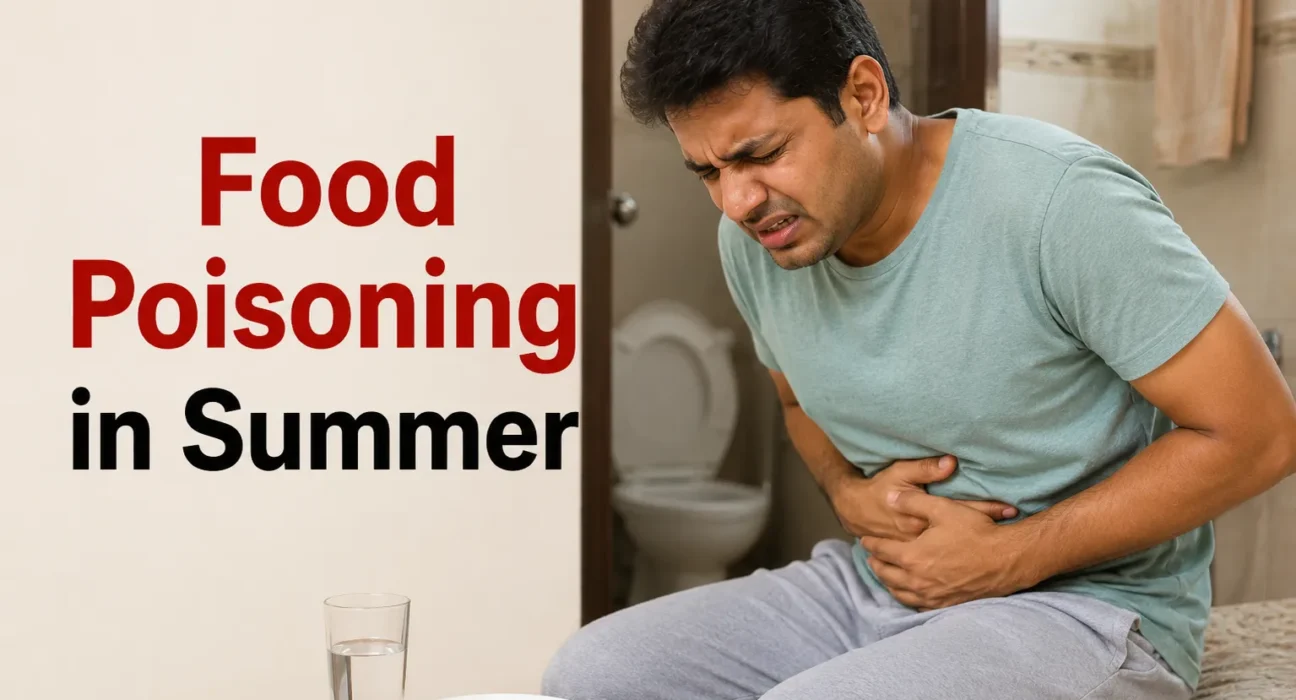
Table of Contents
Summer is the season of vacations, cold drinks, mangoes, and outdoor food, but it is also the time when cases of food poisoning increase rapidly. Hot weather and humidity create the perfect environment for bacteria and viruses to grow in food and water. As a result, many people suffer from stomach infections, vomiting, diarrhea, and other digestive problems during summer.
Eating contaminated street food, drinking unsafe water, or consuming spoiled leftovers can easily lead to summer food poisoning. In many cases, symptoms appear within a few hours after eating infected food.
What Is Food Poisoning?
Food poisoning, also known as a foodborne illness, happens when a person eats contaminated food or drinks infected water. Harmful bacteria, viruses, or toxins enter the digestive system and cause stomach infection.
Contaminated food symptoms usually begin suddenly and may include nausea, vomiting, loose motions, stomach pain, and weakness.
Food poisoning is different from stomach flu. Stomach flu is generally caused by viral infections spreading from person to person, while food poisoning mainly occurs due to infected food or water.
Common germs responsible for bacterial food infection include:
- Salmonella
- E. coli
- Norovirus
These infections become more common during hot weather because bacteria multiply faster in heat and humidity.
Why Food Poisoning Happens More in Summer?
Many people wonder why food poisoning happens more in summer. The answer lies in high temperatures and poor food storage.
During summer, bacteria can grow quickly in uncovered or improperly refrigerated food. Even freshly cooked food can spoil within a few hours if left outside.
Some common reasons include:
- Heat increases bacterial growth in food
- Street food gets exposed to dust and flies
- Improper refrigeration spoils leftovers
- Outdoor eating during travel raises infection risk
- Contaminated water becomes more common in hot weather
Foods like dairy products, meat, seafood, rice, and cut fruits spoil faster during summer if not stored properly.
Common Causes of Summer Food Poisoning
Eating Spoiled Food
Spoiled food is one of the biggest causes of food poisoning during summer. Food kept outside for long hours may look normal but can contain harmful bacteria.
Drinking Contaminated Water
Unsafe drinking water can carry bacteria and viruses that cause stomach infection. Ice made from contaminated water may also spread infection.
Improperly Stored Leftovers
Leftover food should be refrigerated within two hours. Eating improperly stored leftovers can lead to bacterial growth and digestive problems.
Raw or Undercooked Meat
Undercooked chicken, eggs, seafood, or meat may contain harmful bacteria like Salmonella and E. coli.
Unhygienic Street Food
Street food exposed to heat, flies, and dust can increase the risk of stomach infection, especially during summer.
Symptoms of Food Poisoning
Food poisoning symptoms can range from mild stomach discomfort to severe dehydration.
Mild Symptoms
Nausea
Feeling uneasy or sick after eating contaminated food.
Vomiting
Vomiting after eating outside food is a common sign of food poisoning.
Loose Motions
Frequent diarrhea in hot weather may indicate stomach infection.
Bloating
Gas formation and stomach fullness are common digestive symptoms.
Weakness
Loss of fluids can cause tiredness and body weakness.
Severe Symptoms
High Fever
A persistent fever may indicate serious infection.
Blood in Stool
Blood in stool should never be ignored.
Severe Dehydration
Dry mouth, low urine output, and excessive weakness can signal dehydration.
Persistent Vomiting
Continuous vomiting can quickly reduce body fluids.
Dizziness
Low blood pressure due to dehydration may cause dizziness or fainting.
How Long Does Food Poisoning Last?
Many mild cases of food poisoning improve within 1–3 days with rest and hydration.
Moderate stomach infections may take up to one week for complete recovery.
Recovery time depends on:
- The type of infection
- Severity of symptoms
- Hydration levels
- Age and immunity of the patient
Ignoring symptoms or dehydration may worsen the condition.
Best Home Remedies for Food Poisoning
ORS for Dehydration
ORS helps replace lost fluids and minerals during vomiting and diarrhea. It is one of the best remedies for dehydration caused by food poisoning.
Coconut Water
Coconut water helps maintain hydration and provides natural electrolytes to the body.
Ginger Tea for Nausea
Ginger tea may help reduce nausea, vomiting, and stomach discomfort.
Banana and Curd Diet
Banana is gentle on the stomach and may help control diarrhea. Curd supports gut health and digestion.
Lemon Water Benefits
Lemon water may help improve digestion and keep the body hydrated.
Rest and Hydration
Proper rest allows the body to recover faster from infection. Drink enough fluids throughout the day.
What to Eat During Food Poisoning
Choosing the right foods can help the stomach recover faster.
Recommended Foods
- Khichdi
- Plain rice
- Toast
- Banana
- Curd
- Coconut water
- Boiled potatoes
These foods are light, easy to digest, and gentle on the stomach.
Foods to Avoid
Avoid these foods during food poisoning:
- Oily food
- Spicy food
- Street food
- Soft drinks
- Alcohol
- Heavy dairy products
These foods may worsen stomach irritation and diarrhea.
How to Prevent Food Poisoning in Summer
Wash Hands Regularly
Always wash hands before eating and cooking food.
Refrigerate Food Properly
Store cooked food in the refrigerator within two hours.
Avoid Uncovered Street Food
Avoid food exposed to dust, flies, and direct sunlight.
Drink Clean Water
Drink filtered or boiled water to reduce infection risk.
Avoid Cut Fruits from Outside
Cut fruits sold outside may become contaminated quickly in heat.
Check Food Expiry Dates
Always check expiry dates before consuming packaged food.
When Should You See a Doctor?
Medical attention may be needed if symptoms become severe.
Consult a doctor immediately if you experience:
- Severe dehydration
- Blood in stool
- Continuous vomiting
- High fever
- Symptoms lasting more than 3 days
- Food poisoning in children or elderly individuals
Ignoring severe symptoms can lead to complications.
Conclusion
Food poisoning is a common summer digestive problem that can affect anyone. Hot weather increases the risk of bacterial growth in food and water, making proper food hygiene extremely important.
Simple habits like drinking clean water, avoiding spoiled food, refrigerating leftovers, and maintaining hand hygiene can help prevent stomach infections during summer.
FAQs
Why does food poisoning increase during summer?
High temperatures and humidity help bacteria grow faster in food and water.
What are the first signs of food poisoning?
Nausea, vomiting, stomach pain, diarrhea, and weakness are common early symptoms.
Can food poisoning go away on its own?
Mild food poisoning often improves within a few days with hydration and rest.
What should I drink during food poisoning?
ORS, coconut water, lemon water, and plain water help prevent dehydration.
Is curd good for an upset stomach?
Yes, curd may support digestion and improve gut health during recovery.