
Heat Exhaustion: Symptoms, Causes, Treatment & Prevention
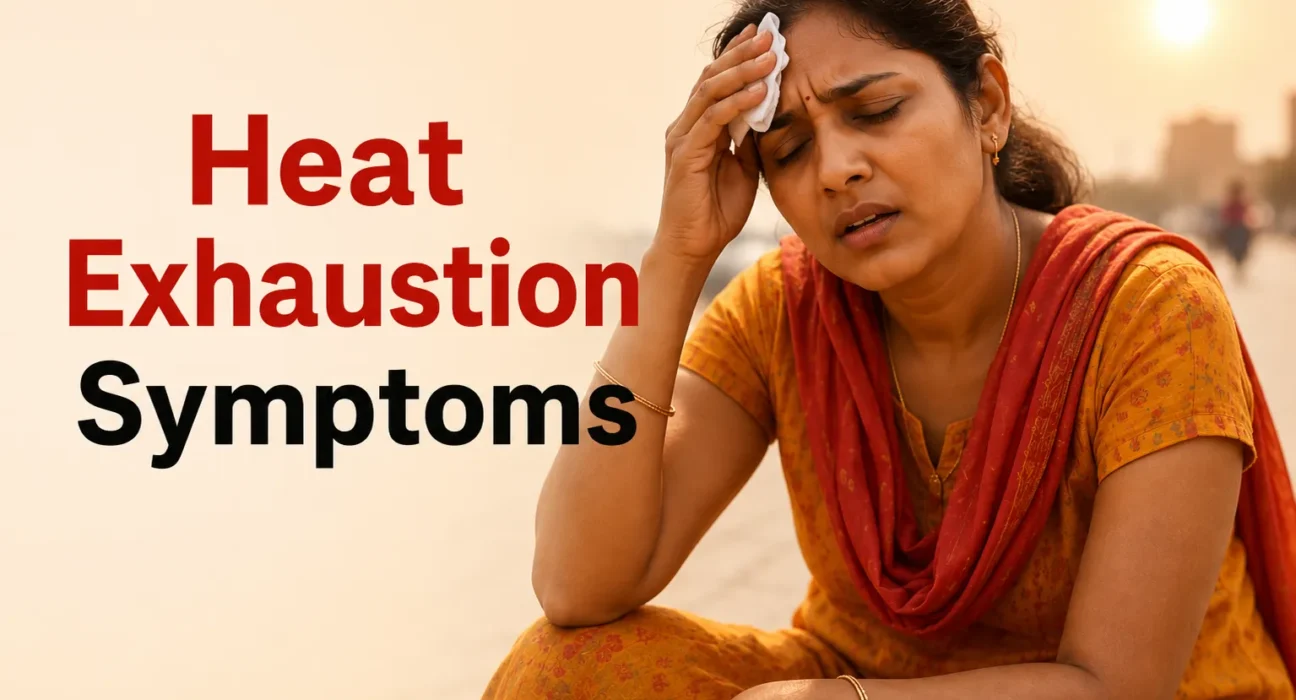
Table of Contents
Heat exhaustion is a heat-related illness that happens when your body gets too hot and loses too much water and salt, usually through sweating. It is common during hot weather, especially in summer or heatwaves.
When your body cannot cool itself properly, it starts to struggle. This leads to symptoms like weakness, dizziness, and nausea.
If not treated early, heat exhaustion can turn into heat stroke, which is a serious and life-threatening condition. That’s why it’s important to recognize the signs of heat exhaustion and act quickly.
Quick Overview Table
| Category | Details |
| Symptoms | Heavy sweating, dizziness, weakness, nausea, headache |
| Causes | High temperature, dehydration, sun exposure, physical activity |
| Risk Level | Moderate (can become severe if ignored) |
| What to Do Immediately | Move to a cool place, drink fluids, rest, cool the body |
Symptoms of Heat Exhaustion
Recognizing heat exhaustion symptoms early can prevent serious complications.
- Heavy sweating
Your body sweats a lot to cool down, leading to fluid loss. - Weakness or fatigue
You may feel unusually tired or low on energy. - Dizziness or lightheadedness
Reduced blood flow and dehydration can make you feel faint. - Nausea or vomiting
The body reacts to overheating, affecting digestion. - Headache
Dehydration and heat stress can trigger headaches. - Muscle cramps (heat cramps)
Loss of salt and fluids can cause painful cramps. - Cool, moist skin
Even in heat, your skin may feel clammy instead of hot.
Causes
Understanding heat exhaustion causes helps you avoid it.
- High temperatures
Hot and humid weather makes it hard for your body to cool down. - Dehydration
Not drinking enough water reduces your body’s ability to regulate temperature. - Prolonged sun exposure
Staying in the sun for long hours increases body heat. - Physical activity
Exercise or heavy work in hot weather raises internal body temperature. - Poor clothing choices
Tight or dark clothes trap heat and worsen overheating.
Risk Factors
Some people are more likely to develop heat exhaustion:
- Elderly individuals
Their bodies may not adjust well to temperature changes. - Children
Kids can overheat quickly and may not recognize symptoms early. - Outdoor workers
Construction workers, farmers, and delivery staff face constant heat exposure. - Athletes
Intense training in hot weather increases risk. - People with medical conditions
Conditions like heart disease or diabetes can affect heat tolerance.
When Is It an Emergency?
Heat exhaustion can quickly turn into heat stroke, which is a medical emergency.
Watch out for these warning signs:
- Confusion or disorientation
- Fainting or loss of consciousness
- High body temperature (above 40°C / 104°F)
- Hot, dry skin (no sweating)
- Rapid pulse
If you notice these symptoms, seek immediate medical help. Delay can be dangerous.
Treatment
Quick heat exhaustion treatment can prevent complications.
Step-by-step actions:
- Move to a cool place
Go indoors, into shade, or near a fan or AC. - Drink fluids
Sip water, ORS, or electrolyte drinks. Avoid alcohol or caffeine. - Rest
Lie down and avoid any physical activity. - Cool the body
- Apply a wet cloth to skin
- Take a cool shower
- Use a fan
- Loosen clothing
Wear light, breathable clothes.
Most people feel better within 30 minutes if treated early.
Prevention Tips
Preventing heat exhaustion is easier than treating it.
- Stay hydrated
Drink water regularly, even if you’re not thirsty. - Avoid peak sun hours
Stay indoors between 11 AM and 4 PM. - Wear light clothing
Choose loose, cotton clothes that allow airflow. - Take frequent breaks
Especially if working or exercising outdoors. - Use cooling methods
Fans, AC, or cool showers help regulate body temperature.
When to See a Doctor After Heat Exhaustion
Most people recover from heat exhaustion within a few hours to a day if treated properly.
However, you should consult a doctor if:
- Symptoms last more than 1 hour
- You cannot keep fluids down
- Symptoms worsen
Taking proper rest and staying hydrated is key to full recovery.
Key Facts
- Heat exhaustion is caused by fluid and salt loss
- It is common during summer and heatwaves
- Early treatment can prevent heat stroke
- Dehydration is a major trigger
- Anyone can get it, but some groups are at higher risk
- It is preventable with simple precautions
- Ignoring symptoms can lead to serious complications
FAQs
1. What is the fastest way to recover from heat exhaustion?
Move to a cool place, drink water or ORS, and rest. Cooling your body with a wet cloth or fan helps speed up recovery.
2. How long does heat exhaustion last?
Most cases improve within 30 minutes to a few hours. Full recovery may take up to 24 hours.
3. Can heat exhaustion happen indoors?
Yes, especially in poorly ventilated spaces without fans or air conditioning.
4. Is heat exhaustion serious?
It can become serious if untreated and may lead to heat stroke, which is life-threatening.
5. What should I drink during heat exhaustion?
Water, ORS, coconut water, and electrolyte drinks are best to restore fluids and salts.
Medical Disclaimer
This article is for informational purposes only and does not replace professional medical advice. If you experience severe or persistent symptoms, consult a qualified healthcare provider immediately.