


Back Pain in Women: 10 Hidden Causes You Should Know
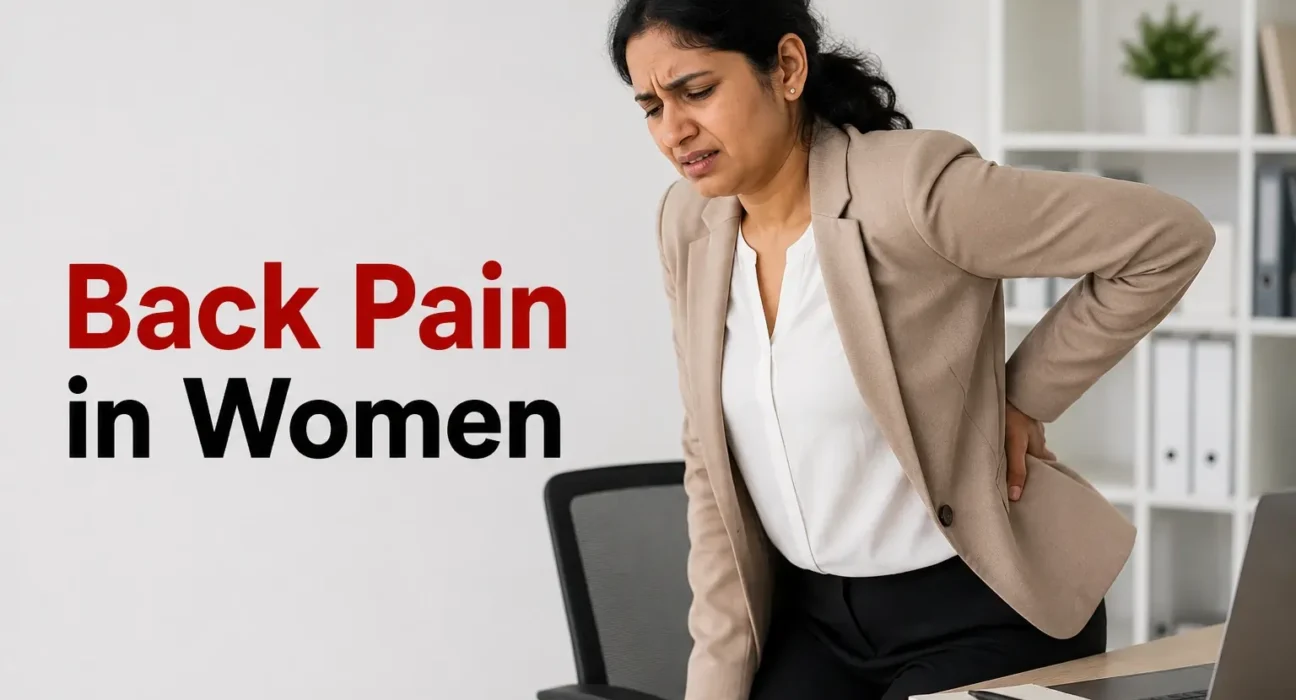
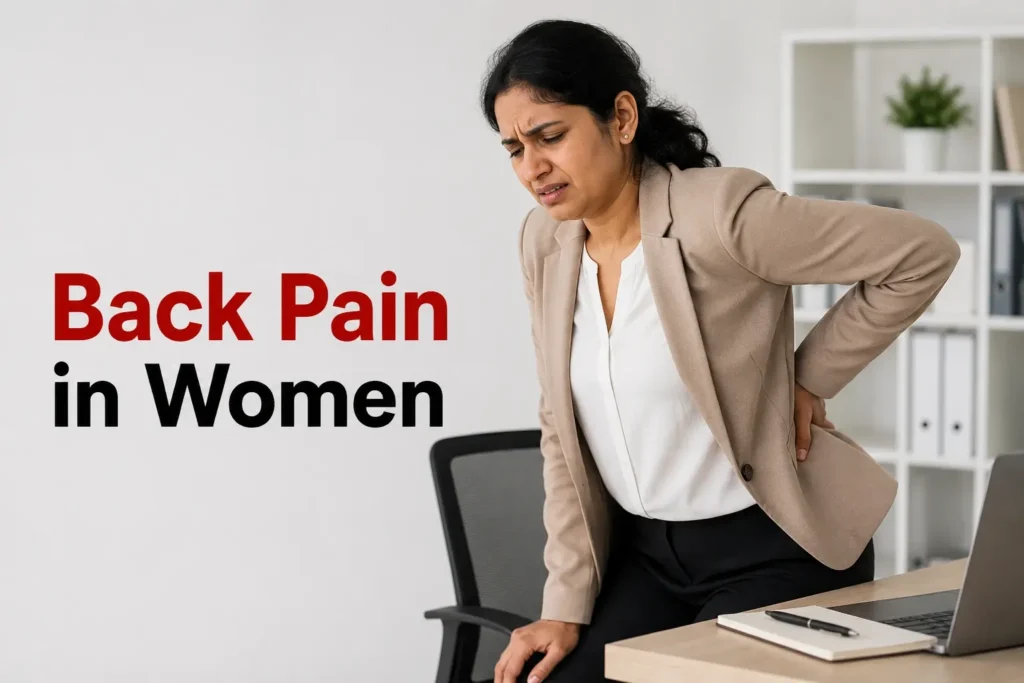
Back pain is one of the most common health concerns among women, yet it is often dismissed as a result of poor posture, a hectic lifestyle, or simply “getting older.” While these can certainly contribute, back pain in women can sometimes be a sign of underlying health conditions that deserve attention. Hormonal changes, pregnancy, nutritional deficiencies, kidney problems, and spinal disorders are just a few of the lesser-known reasons why women experience persistent discomfort.
Whether your pain is mild and occasional or severe enough to interfere with daily activities, understanding its root cause is the first step toward lasting relief. In this guide, we’ll explore ten hidden causes of women’s back pain, discuss warning signs you shouldn’t ignore, and explain when it’s time to consult a doctor.
Quick Facts About Back Pain in Women
- Around 8 out of 10 people experience back pain at some point in their lives.
- Women are more likely than men to develop chronic back pain due to hormonal, reproductive, and bone health factors.
- Most cases improve with lifestyle changes, physiotherapy, and appropriate treatment.
- Persistent pain lasting more than six weeks should always be medically evaluated.
- Early diagnosis can prevent long-term complications and improve recovery.
Why Is Back Pain More Common in Women?
Women’s bodies go through several natural changes throughout life—from menstruation and pregnancy to menopause. These changes can affect muscles, joints, ligaments, and bones, making women more vulnerable to lower back pain.
Other contributing factors include:
- Hormonal fluctuations
- Pregnancy and childbirth
- Osteoporosis after menopause
- Sedentary lifestyles
- Long hours of desk work
- Obesity
- Weak core muscles
- Vitamin D and calcium deficiency
- Chronic inflammatory conditions
The good news is that identifying the underlying cause often leads to effective treatment.
10 Hidden Causes of Back Pain in Women
1. Hormonal Changes During the Menstrual Cycle
Many women notice lower back pain before or during their periods. Hormonal changes, especially fluctuations in prostaglandins and estrogen, can cause muscles and ligaments around the pelvis and lower back to become more sensitive.
Mild discomfort is common, but severe pain that disrupts daily life or worsens over time may indicate an underlying condition such as endometriosis or adenomyosis.
2. Endometriosis
Endometriosis occurs when tissue similar to the lining of the uterus grows outside the uterus. Besides painful periods, it can cause persistent pelvic pain, pain during intercourse, infertility, and chronic lower back pain.
Because its symptoms often overlap with other conditions, many women remain undiagnosed for years. If your back pain is consistently linked to your menstrual cycle, it’s worth discussing with a gynaecologist.
3. Pregnancy and Postpartum Changes
Pregnancy places additional stress on the spine as the growing baby shifts your body’s centre of gravity. Hormones such as relaxin also loosen the ligaments, making joints less stable.
After childbirth, lifting the baby, breastfeeding posture, and weakened abdominal muscles can continue to contribute to postpartum back pain. Gentle exercises, good posture, and physiotherapy often help improve symptoms.
4. Osteoporosis
Bone loss often develops silently, especially after menopause. Weakened bones are more likely to develop tiny fractures in the spine, leading to persistent or sudden back pain.
Women over 50, especially those with a family history of osteoporosis, low calcium intake, or early menopause, should consider bone health screening.
5. Poor Posture and a Sedentary Lifestyle
Hours spent sitting at a desk, working on a laptop, or looking down at a phone can strain the muscles supporting the spine.
Poor posture doesn’t just cause temporary discomfort—it can gradually weaken supporting muscles, increasing the risk of recurring back pain. Taking regular movement breaks, adjusting your workstation, and strengthening your core can make a significant difference.
6. Herniated Disc or Sciatica
A slipped or herniated disc can press on nearby nerves, causing pain that radiates from the lower back down one leg. This condition, commonly called sciatica, may also cause numbness, tingling, or muscle weakness.
Pain that shoots down the leg or makes walking difficult should never be ignored and requires medical evaluation.
7. Kidney Problems
Not every pain felt in the back originates from the spine. Kidney infections and kidney stones can cause pain in the sides or lower back, often accompanied by fever, burning during urination, nausea, or blood in the urine.
Unlike muscle pain, kidney-related pain usually doesn’t improve with changes in posture or stretching.
8. Stress and Emotional Health
Stress doesn’t only affect the mind—it also affects the body. Emotional stress can cause muscles to tighten, leading to persistent neck, shoulder, and lower back pain.
Poor sleep, anxiety, and chronic stress may also reduce the body’s ability to recover from minor muscle strain, creating a cycle of ongoing discomfort.
9. Vitamin D and Calcium Deficiency
Vitamin D and calcium are essential for healthy bones and muscles. Deficiencies can lead to muscle weakness, bone pain, fatigue, and an increased risk of fractures.
Since vitamin D deficiency is common among Indian women, maintaining adequate sunlight exposure and a balanced diet is important for spinal health.
10. Arthritis and Age-Related Spine Changes
As we age, the discs and joints of the spine naturally undergo wear and tear. Conditions such as osteoarthritis, spinal stenosis, and degenerative disc disease can cause stiffness, reduced mobility, and chronic back pain.
Early diagnosis and regular exercise can help slow progression and maintain an active lifestyle.
When Is Back Pain a Warning Sign?
While most episodes of back pain improve with rest and conservative treatment, some symptoms require immediate medical attention.
Seek medical care if you experience:
- Severe pain after an injury or fall
- Pain lasting longer than six weeks
- Loss of bladder or bowel control
- Numbness around the groin
- Weakness in one or both legs
- Fever along with back pain
- Unexplained weight loss
- Pain that wakes you up at night
These may indicate a more serious condition that needs prompt evaluation.
Read More – Anxiety Disorder: When Worry Becomes a Health Concern
How Is the Cause of Back Pain Diagnosed?
A doctor will begin by discussing your symptoms, medical history, menstrual history, lifestyle, and any previous injuries. A physical examination helps assess posture, movement, muscle strength, and nerve function.
Depending on your symptoms, additional tests such as X-rays, MRI, CT scans, blood tests, urine tests, or bone density scans may be recommended to identify the underlying cause.
Treatment Options for Back Pain in Women
Treatment depends on the cause of the pain. Many women improve with a combination of lifestyle changes and conservative care.
Common treatment options include:
- Pain-relieving medicines when appropriate
- Physiotherapy to improve flexibility and strengthen core muscles
- Heat or cold therapy
- Posture correction and ergonomic changes
- Weight management
- Stretching and low-impact exercises
- Calcium and vitamin D supplementation if required
- Treatment of underlying conditions such as kidney disease, osteoporosis, or endometriosis
In some cases, minimally invasive spine procedures or surgery may be recommended when conservative treatment does not provide relief.
Simple Ways to Prevent Back Pain
Although not every case is preventable, healthy habits can reduce your risk.
- Maintain good posture while sitting and standing.
- Exercise regularly to strengthen your back and core muscles.
- Avoid sitting continuously for long hours.
- Lift heavy objects correctly using your legs instead of your back.
- Maintain a healthy body weight.
- Eat a calcium-rich, balanced diet.
- Get adequate vitamin D through safe sunlight exposure and nutrition.
- Wear supportive footwear.
- Manage stress through relaxation techniques and quality sleep.
Small lifestyle changes today can help protect your spine for years to come.
Key Facts
- Women are more prone to chronic back pain due to hormonal and reproductive health changes.
- Menopause increases the risk of osteoporosis-related back pain.
- Persistent lower back pain should not be self-treated for weeks without medical advice.
- Physiotherapy is often one of the most effective non-surgical treatments.
- Healthy posture, regular exercise, and maintaining bone health play a major role in preventing recurring back pain.
Conclusion
Back pain is common, but it should never be ignored when it becomes persistent or affects your quality of life. While muscle strain and poor posture are frequent causes, conditions such as hormonal changes, endometriosis, osteoporosis, kidney disorders, vitamin deficiencies, and spinal problems may also be responsible.
Listening to your body and seeking medical advice early can help identify the underlying cause and prevent complications. With the right diagnosis, personalised treatment, and healthy lifestyle choices, most women can effectively manage back pain and return to their daily activities with confidence.
FAQs
What causes back pain in women?
Back pain in women can result from muscle strain, poor posture, pregnancy, hormonal changes, osteoporosis, kidney problems, or spinal conditions. Identifying the underlying cause is important for choosing the right treatment.
Why is lower back pain more common in women?
Hormonal fluctuations, pregnancy, menopause, and lower bone density increase the likelihood of lower back pain in women compared to men.
Can hormonal changes cause back pain?
Yes. Hormonal changes during menstruation, pregnancy, and menopause can affect muscles and ligaments, leading to lower back discomfort in some women.
Is lower back pain a sign of pregnancy?
It can be. Many women experience lower back pain during pregnancy because of weight changes, hormonal effects, and shifting posture. However, persistent or severe pain should always be evaluated.
When should I worry about back pain?
Seek medical attention if your pain lasts more than six weeks, follows an injury, is associated with fever, numbness, weakness, or affects bladder or bowel control.