



Anxiety Disorder: When Worry Becomes a Health Concern
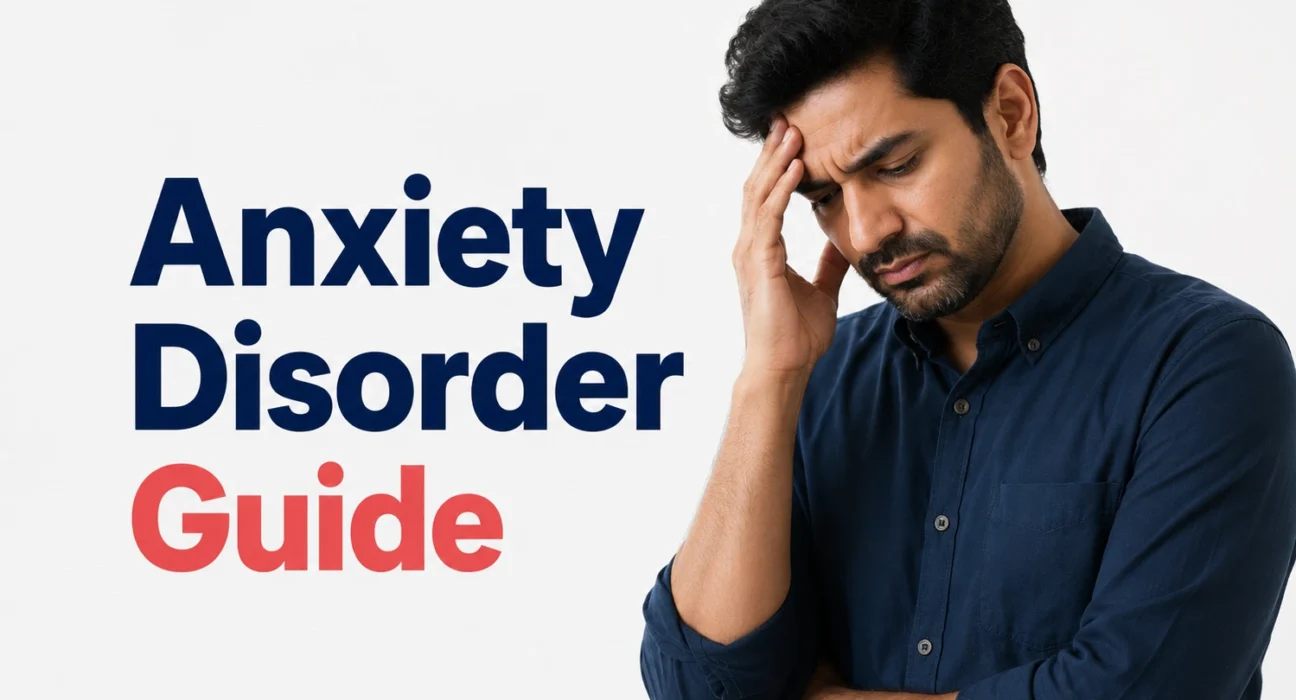
Table of Contents
Have you ever found yourself worrying about an upcoming meeting, an exam, or a loved one’s health? Feeling anxious from time to time is a normal part of life. In fact, anxiety is your body’s natural response to stress. However, when those worries become constant, overwhelming, and start affecting your daily life, they may be a sign of an anxiety disorder.
An anxiety disorder is more than occasional nervousness. It is a common mental health condition that can influence your thoughts, emotions, physical health, work performance, relationships, and overall quality of life. The good news is that anxiety disorders are treatable, and with early diagnosis and the right care, most people can regain control of their lives.
In this guide, you’ll learn how to recognize anxiety symptoms, understand the different types, know what causes them, and explore the treatment options available.
What Is an Anxiety Disorder?
An anxiety disorder is a condition where feelings of fear, worry, or nervousness become excessive, persistent, and difficult to control. Unlike everyday stress, these feelings often continue even when there is little or no real danger.
People with anxiety disorders may constantly expect the worst, avoid certain situations, or experience physical symptoms that make them believe something serious is wrong. Without proper care, anxiety can interfere with work, studies, family life, and social relationships.
Anxiety vs. Everyday Worry
Everyone worries occasionally. The difference lies in the intensity and duration.
Normal worry is usually linked to a specific situation, such as a job interview or an important deadline, and fades once the situation passes. In contrast, an anxiety disorder causes excessive worry that lasts for weeks or months and may occur even without an obvious reason. It often affects sleep, concentration, productivity, and emotional well-being.
Types of Anxiety Disorders
There are several types of anxiety disorders, each with its own characteristics.
Generalized Anxiety Disorder (GAD)
Generalized Anxiety Disorder (GAD) involves persistent worry about everyday activities such as work, finances, health, or family, even when there is little reason for concern.
Panic Disorder
People with panic disorder experience sudden episodes of intense fear known as panic attacks. These episodes may include chest pain, rapid heartbeat, sweating, dizziness, and difficulty breathing.
Social Anxiety Disorder
This condition involves intense fear of being judged, embarrassed, or rejected in social situations. It often leads people to avoid public speaking, meetings, or social gatherings.
Specific Phobias
Specific phobias involve an overwhelming fear of certain objects or situations, such as heights, flying, needles, or enclosed spaces.
Separation Anxiety Disorder
Although commonly associated with children, adults can also experience separation anxiety, causing excessive distress when away from loved ones.
Early Signs and Symptoms of Anxiety Disorder
Recognizing symptoms of anxiety disorder early can help you seek timely support.
Emotional Symptoms
- Excessive and uncontrollable worry
- Feeling constantly on edge
- Irritability
- Persistent fear
- Difficulty relaxing
- Feeling overwhelmed
Physical Symptoms of Anxiety
Many people are surprised to learn that anxiety can cause real physical symptoms.
Common physical symptoms of anxiety include:
- Rapid heartbeat or heart palpitations
- Chest tightness or chest pain
- Sweating
- Trembling or shaking
- Muscle tension
- Shortness of breath
- Dizziness
- Headaches
- Nausea or stomach discomfort
- Digestive issues
- Fatigue
- Difficulty sleeping
These symptoms can sometimes feel similar to other medical conditions, making a proper anxiety diagnosis important.
Behavioral Symptoms
People with anxiety may also:
- Avoid certain situations
- Have trouble concentrating
- Seek constant reassurance
- Experience reduced productivity
- Withdraw from friends and family
What Causes Anxiety Disorder?
There isn’t one single cause of anxiety disorder. Instead, it usually develops because of a combination of factors.
Genetics
Having a family history of anxiety or other mental health conditions may increase your risk.
Brain Chemistry
Certain chemical messengers in the brain help regulate mood. Changes in their balance may contribute to anxiety.
Stressful Life Events
Major life changes such as job loss, financial difficulties, relationship problems, trauma, or the loss of a loved one can trigger anxiety.
Medical Conditions
Certain health conditions, including thyroid disorders, chronic illnesses, hormonal changes, and long-term pain, may contribute to anxiety symptoms.
Lifestyle Factors
Poor sleep, excessive caffeine intake, alcohol use, smoking, and chronic stress can worsen anxiety.
Who Is More Likely to Develop Anxiety?
Anyone can develop an anxiety disorder, but the risk may be higher in:
- People with a family history of anxiety
- Women
- Teenagers and young adults
- Individuals with chronic medical conditions
- People experiencing prolonged stress
- Those who have experienced trauma or abuse
Can Anxiety Affect Your Physical Health?
Yes. Anxiety doesn’t just affect your mind—it can also impact your body.
Long-term anxiety may contribute to:
- High blood pressure
- Digestive problems
- Sleep disturbances
- Frequent headaches
- Reduced immunity
- Muscle pain
- Difficulty concentrating
- Lower quality of life
Many people experiencing anxiety chest pain or palpitations fear they are having a heart attack. While anxiety can cause these symptoms, it is important to seek immediate medical attention if chest pain is severe, sudden, or accompanied by symptoms such as fainting or persistent breathlessness to rule out a medical emergency.
Read More: – Depression Signs: 10 Early Symptoms You Should Never Ignore
How Is Anxiety Disorder Diagnosed?
There is no single blood test for anxiety.
A healthcare professional may diagnose an anxiety disorder by:
- Discussing your symptoms
- Reviewing your medical history
- Performing a physical examination if needed
- Using validated psychological questionnaires
- Ruling out medical conditions that may cause similar symptoms
Early anxiety diagnosis helps ensure timely and appropriate treatment.
Anxiety Disorder Treatment
The right anxiety treatment depends on the severity of symptoms and individual needs.
Psychological Therapy
One of the most effective treatments is Cognitive Behavioral Therapy (CBT). CBT for anxiety helps people identify negative thinking patterns and replace them with healthier ways of responding to stressful situations.
Other forms of anxiety therapy and counselling may also be recommended.
Medications
Some people may benefit from anxiety medication, especially if symptoms are moderate to severe. Medicines should always be taken under the guidance of a qualified healthcare professional.
Lifestyle Changes
Healthy habits play an important role in anxiety management.
These include:
- Regular physical activity
- Getting enough sleep
- Eating a balanced diet
- Practicing meditation or mindfulness
- Deep breathing exercises
- Limiting caffeine and alcohol
- Spending time with supportive family and friends
Practical Self-Care Tips for Managing Anxiety
While professional treatment is important for many people, small daily habits can also make a difference.
- Practice slow, deep breathing during stressful moments.
- Follow a regular sleep schedule.
- Exercise for at least 30 minutes most days.
- Reduce screen time before bedtime.
- Keep a journal to track your worries and triggers.
- Break large tasks into smaller, manageable steps.
- Stay connected with trusted friends and family.
- Seek professional help if symptoms continue or worsen.
When Should You See a Doctor?
Occasional anxiety is normal, but you should consult a healthcare professional if:
- Worry lasts for several months.
- Anxiety interferes with work or daily activities.
- You experience frequent panic attacks.
- Your sleep is consistently affected.
- Physical symptoms keep returning.
- You begin avoiding normal situations because of fear.
Early treatment often leads to better outcomes and helps prevent symptoms from becoming more severe.
Key Facts
- Anxiety disorders are among the most common mental health conditions worldwide.
- Anxiety can affect both emotional and physical health.
- Persistent worry lasting for months should not be ignored.
- Generalized Anxiety Disorder (GAD) and panic disorder are among the most common forms of anxiety.
- CBT for anxiety is considered one of the most effective treatments.
- Lifestyle changes support recovery but may not replace professional treatment.
- Early diagnosis and treatment can significantly improve quality of life.
Conclusion
Feeling worried occasionally is a normal part of life, but when worry becomes persistent, overwhelming, and begins to interfere with your daily routine, it may be more than everyday stress. An anxiety disorder is a treatable medical condition, and seeking help early can make a meaningful difference. If you or someone you care about is experiencing ongoing anxiety symptoms, don’t ignore them. A timely evaluation and the right support can help you regain confidence, improve your mental well-being, and lead a healthier, more fulfilling life.
FAQs
What are the first signs of an anxiety disorder?
Early signs include persistent worry, restlessness, poor sleep, difficulty concentrating, irritability, and physical symptoms like a racing heartbeat or muscle tension. If these continue for weeks or interfere with daily life, it’s a good idea to seek medical advice.
Can anxiety disorder be cured?
Many people experience significant improvement with the right treatment. Therapy, medication when needed, and healthy lifestyle changes can help manage symptoms effectively and improve long-term well-being.
Which doctor should I consult for anxiety?
You can start by consulting a general physician, who may evaluate your symptoms and refer you to a psychiatrist, psychologist, or mental health specialist if required.
Can anxiety cause physical symptoms like chest pain or dizziness?
Yes. Anxiety can cause chest tightness, dizziness, rapid heartbeat, sweating, and shortness of breath. However, sudden or severe chest pain should always be evaluated promptly to rule out other medical conditions.
How is anxiety disorder treated?
Treatment often includes Cognitive Behavioral Therapy (CBT), counselling, medication when appropriate, stress management techniques, regular exercise, healthy sleep habits, and relaxation exercises. Your treatment plan will depend on the severity of your symptoms.